

As temperatures drop, keeping your home comfortable can require more energy. But some cold-weather habits may make your heating system and appliances work harder than necessary – potentially costing you more money.
Using energy more efficiently doesn’t automatically mean sacrificing comfort or making costly home improvements. It starts with knowing which simple habits can help and which common assumptions lead to wasted energy and higher bills. Here are four winter energy myths and the truth behind them.
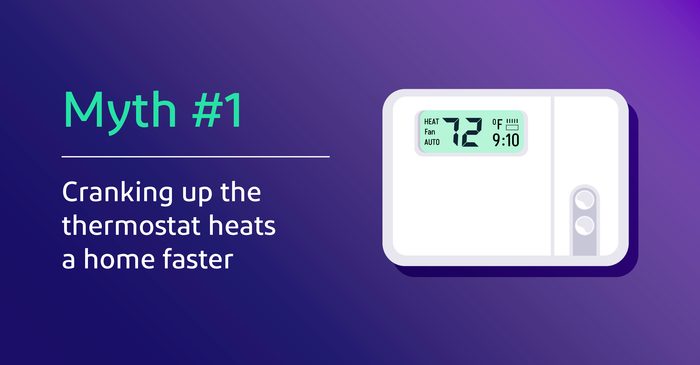
Truth: A thermostat sets the target temperature. It does not control how quickly most heating systems warm the home.
Setting the thermostat unnecessarily high can cause the system to run longer, using more energy without warming the space any faster. Instead, set the thermostat to a comfortable temperature and give the system time to reach it.
If your health allows, setting the temperature to 68 degrees or lower can help save energy and money. For each degree you lower the thermostat you can save up to 5% on heating costs. A programmable or smart thermostat can automatically adjust the temperature while you’re asleep or away, and some models allow you to manage the settings remotely.
Truth: Small leaks throughout a home can make rooms feel colder and force your heating system to work harder.
Adding weather strips around drafty doors and windows can help reduce air leaks. Caulk can seal cracks and gaps in other areas. These relatively simple improvements can help retain heat and reduce how much energy is wasted from your home.
Window coverings can also work with the weather. Open blinds, shades, and curtains on sunny winter days to bring in natural warmth, then close them when the sun fades and at night to help retain heat. Drapes and curtains should remain closed on windows that do not receive direct sunlight.
Truth: Many devices continue to draw small amounts of energy while plugged in, even when they’re turned off or sitting idle.
Known as “vampire energy,” the impact can add up when devices remain connected throughout your home. Unplug electronics and chargers when they’re not in use or use smart power strips to shut down several devices at once.
Beyond unplugging electronics, you can reduce vampire energy by switching off power strips when devices aren’t in use, using smart power strips that automatically cut power to idle equipment, enabling energy-saving settings on computers and gaming consoles, and adjusting the power management settings on printers and other office equipment.
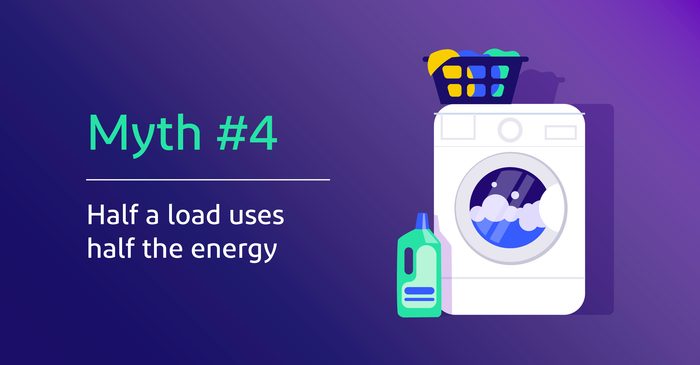
Truth: Appliances like washing machines and dishwashers require nearly the same operating and water-heating energy regardless of how full they are. Frequent half-loads may use more energy over time than fewer full loads.
Wait until you have a full load before running your appliances. Wash full loads of laundry in cold water when possible and clean the dryer’s lint screen after each use to help the appliance operate efficiently.
Small choices add up
You don’t need to sacrifice comfort or make major home improvements to use energy more efficiently. Adjusting your thermostat, sealing drafty windows and doors, unplugging electronics, and running appliances when they’re full can help manage winter energy bills and reduce unnecessary energy use.
Small, practical choices can make a difference for your household budget while helping support the energy system we all share. Explore more ways to save at peco.com/Winter.
To identify opportunities to save energy at home, schedule a PECO energy assessment at peco.com/Assessment. If you meet the income-eligibility guidelines, you may be able to get a free home assessment. Visit peco.com/FreeEnergyCheckup to check eligibility.